
Katanning is a key location for the department’s livestock, soils, and plant research in Western Australia's (WA) Great Southern.
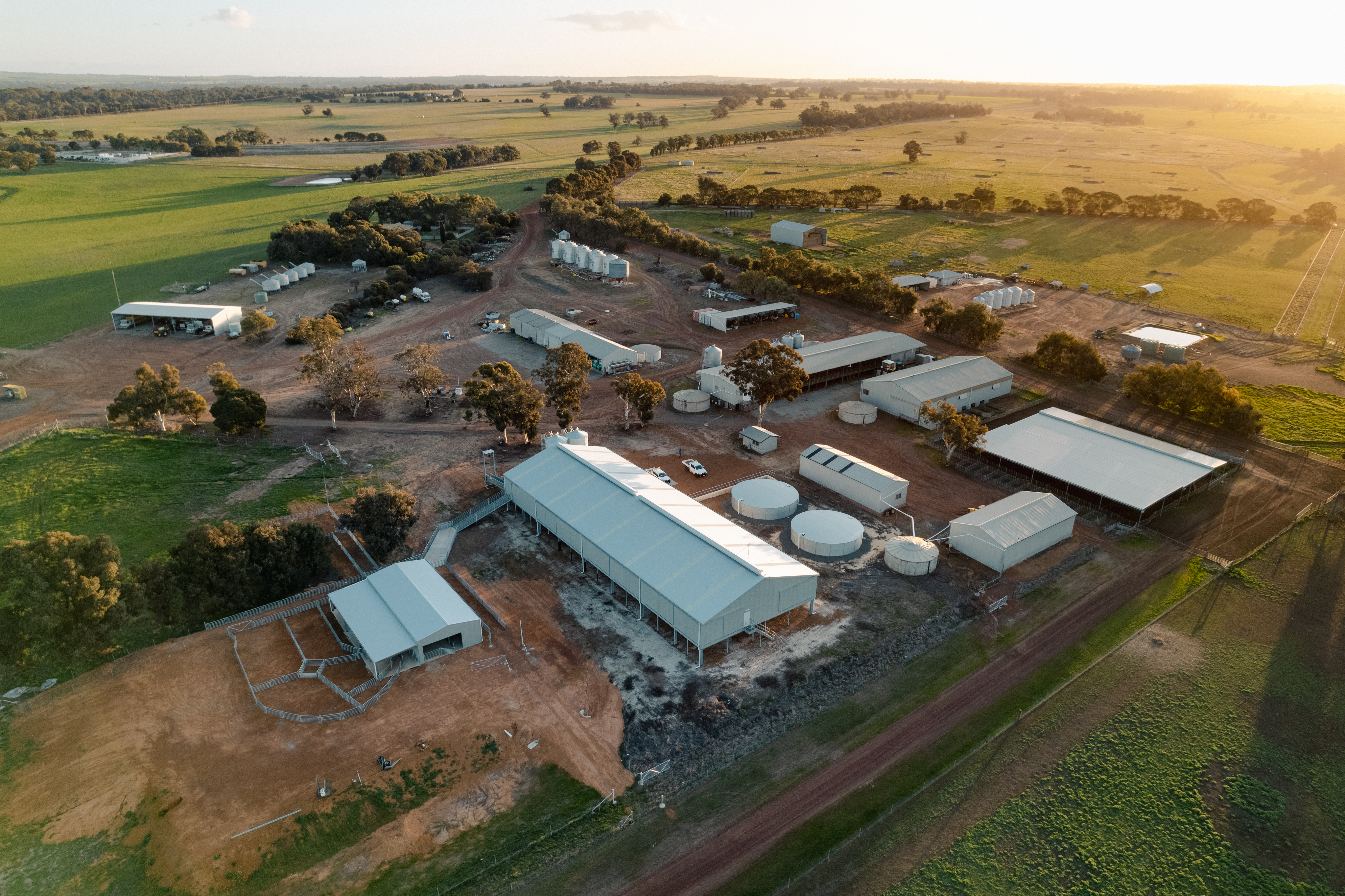
The research station is a sheep, pasture, and cropping research hub, which opened in 1982 and is situated 8 km east of Katanning. It spans more than 2,000 ha with approximately 1,575 ha arable for cropping and grazing and capacity for 7,500 sheep. The soil at the station ranges from light deep sand, gravel over clay, and light clay.
The station is home to Australia’s biggest Sheep Feed Intake Facility and showcases the digital agriculture technologies and management systems that will lift productivity and lower greenhouse gas emissions from mixed farming operations in WA.
Research projects and initiatives
Feed365: redesigning livestock forage systems for grazing all year round.
FutureSheep: Investigating how producers in key sheep producing regions of WA can adapt farming strategies with the impact of a drying climate.
Carcase measurement feedback: understanding carcase measurement feedback for improved farm productivity.
The Genetic Resource Flock (GRF) project provides breeding values for the sheep industry through managing and monitoring of the sheep at Katanning. GRF is part of a national program.
Contributing to the national sire evaluation program accuracy of Australian Sheep Breeding Values by measuring the progeny of leading merino sires to provide benchmarks for breeders.
Researching and demonstrating effective and affordable emissions mitigation techniques and strategies for WA broadacre farmers. This research aligns with the Western Australian Government's commitment to reducing emissions across all sectors. KRS has set a target of net zero emissions by 2030.
View more on KRS Carbon Neutral 2030
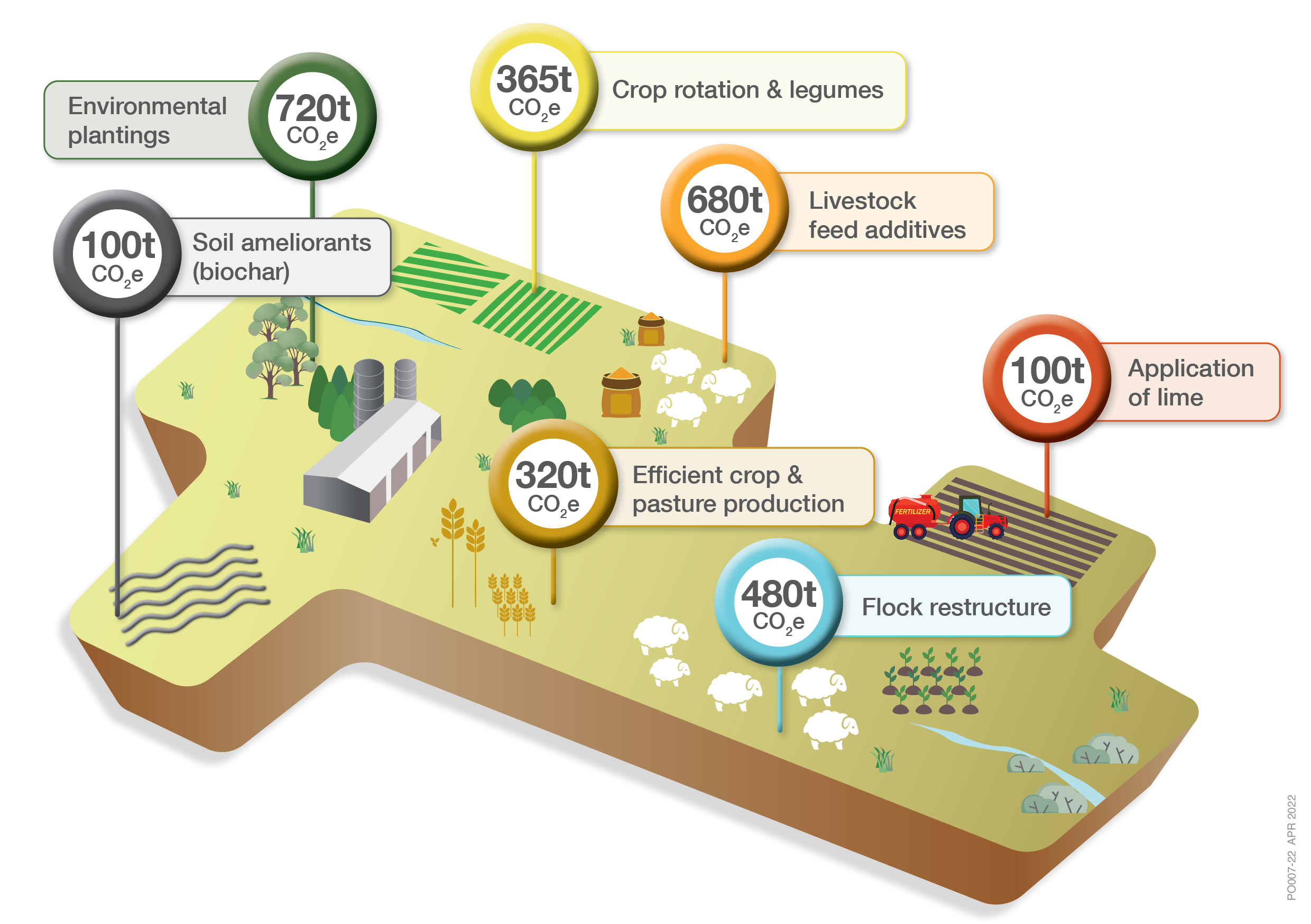
A series of research projects offering researchers and livestock producers the opportunity to understand current emissions of different WA systems and feed types.
Revegetating salt affected land to manage surface water, increase native biodiversity and provide out of season feed for livestock.
The rehabilitation process involves:
- revegetating salt affected land that has poor crop and pasture growth with native trees and shrubs to enhance native biodiversity
- establishing saltland pastures to provide out of season feed for livestock and reduce supplementary feeding
- managing surface water
- groundwater drainage.
More information
Research station facilities
All facilities and laboratories are bio-secure and fitted with amenities to control and minimise potential biosecurity risks.
The research station’s Sheep Feed Intake Facility (SFIF) opened in 2022. It is a 940 m2 facility that can hold up to 300 animals, the biggest of its kind in Australia. The facility houses 20 sheep pens (up to 15 per pen). Sheep are sociable animals, so having them housed in groups is the best practice.
This facility features:
- A semi-controlled environment, including technology to continuously monitor temperature, air quality, airflow, and wind speed, as well as an automated feed delivery system digitally controlled via Bluetooth.
- An automated feed delivery system — the first in Australia used in sheep research. This system is custom-built and can blend diets from 4 different sources with the capability to allocate different diets to each pen. As the sheep approach the feed unit, their RFID tag is read, and the feed allocation is calculated for sheep individually. The combined capability to blend and weigh diets for 300 sheep through an automated system significantly increases the research capability through labour and resourcing efficiencies. Performing individual feed intake trials in group pens also allows sheep to express more social behaviours.
- State-of-the-art portable accumulation chambers are used to measure the methane emissions of individual sheep.
- A dual-energy x-ray absorptiometry (DEXA) machine objectively measures the meat, bone, and fat composition of live animals. This data shows changes in body composition over time.
A LoRaWAN (Low Power, Long Range Wide Area Network) ‘smart farm’ network is installed across the site, complete with a smart farming hub allowing for 24/7 monitoring of weather conditions, soil moisture and tank levels. The network includes:
- 10 soil moisture sensors
- 3 mobile weather stations
- one station connected to the Bureau of Meteorology network
- water tank sensors to provide information on tank levels that supply water for livestock
- visualisation of the information in a customised ‘dashboard’ that shows the key information on one page and updates regularly as new data comes in.
- an animal house with 160 individual pens for collecting methane measurements
- 50 paddocks (from 2 to 50 ha) – including 67 one-hectare lambing plots with water and feed troughs and moveable straw bale windbreaks
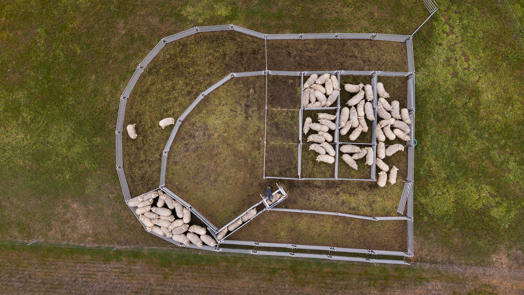
- sheep yards and two shearing sheds
- a range of silos for grain and pellets
- large hay storage shed
- range of mechanical sheep handling devices
- trucks with stock crates and feed trailers
- meat processing facility, cool room, and freezers
- standard commercial broadacre cropping farm machinery
- fully mobile small research-plot gear.
Katanning town office
Research scientists and technical officers at the office focus on field and laboratory experiments on applied grains and farming systems for broadacre crops and resource management.
Research focuses on:
- cereal agronomy - phenology of germplasm for adaptation to earlier (and later) sowing opportunities and timing crop development to avoid frost
- nutrient dynamics of the crop — sequences to monitor nitrogen, phosphorus and potassium crop nutrition and develop crop management decision-making tools.
- glasshouse with 3 separate air-conditioned sections
- sheds and dirty labs to receive, store, and process plant, grain and soil samples collected from research trials across southern WA grain-growing regions
- controlled environment storage areas to maintain plant and grain samples
- drying ovens: one walk-in, 2 wall ovens, and a range of benchtop ovens
- walk-in cool room
- offices for the research team and conference room capacity for 65 people.
Contact us
-
Katanning Research Station453 Katanning-Nyabing Rd Katanning WA 6317
Postal: PO Box 768 Katanning WA 6317